
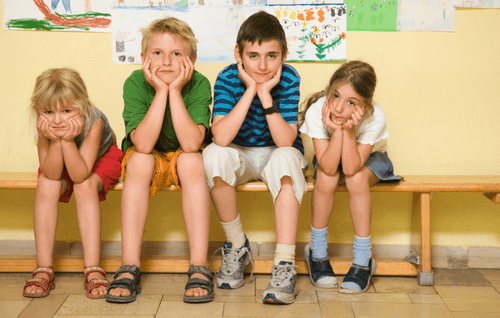
Why Boredom Can Be Good For Kids
“I’m Bored!” - Why That’s Not a Bad Thing (Even on School Holidays)
School holidays are meant to be fun, but often they come with that dreaded phrase: “I’m bored.”
For many parents, this can trigger a scramble to plan activities, book experiences, or fill every minute with something exciting. But what if boredom isn’t something to fix? What if it’s something valuable - even good - for your child’s development?
Research from child development experts suggests that boredom can actually help children grow in powerful ways.
Boredom Fuels Creativity and Imagination
When kids are bored, their brains start searching for something to do. That inner search often leads to creative play, imagining elaborate games, inventing stories, or finding new ways to use objects around them.
Studies show that this kind of free, unstructured time encourages creative thinking and self-directed exploration - skills that structured activities don’t always build.
It Helps Them Learn to Plan and Problem-Solve
Boredom isn’t just a feeling, it’s a signal that prompts action. When children have to figure out how to fill their time, they naturally start planning, organising, and solving problems without anyone telling them what to do.
This kind of self-initiated thinking builds planning strategies and flexibility - skills that help them later in life when tasks aren’t laid out for them.
Boredom Builds Emotional Resilience
Learning to tolerate boredom is a life skill in itself. If every dull moment is instantly relieved by screens, toys, or entertainment, kids don’t get the chance to sit with discomfort or practise patience.
Researchers note that being able to tolerate boredom can strengthen emotional regulation, frustration tolerance, and self-discipline, all of which protect mental health over the long term.
It Encourages Independence and Self-Awareness
Kids are often told “what to do” - especially when school is in session. But during holiday boredom, they have the rare chance to reflect, explore, and decide what THEY want to do.
This autonomy - free play without constant adult direction - supports independence, confidence, and self-understanding.
Boredom Encourages Healthy Alternatives to Screen Time
Today’s screens are designed to keep children constantly stimulated, making boredom even rarer. But too much screen time can limit creativity and active engagement. When kids are bored without screens, they often turn to imaginative play, physical activity, books, or real-world exploration - all of which support richer cognitive and emotional development.
Embracing Boredom Without Leaving Them Hanging
Of course, boredom on its own isn’t automatically beneficial - the response to boredom matters. Here are some gentle ways to support your child:
Create a “Boredom Box
Fill it with craft supplies, building bricks, old dress-up clothes, nature treasures, paper and pencils - just enough to prompt ideas without directing play.
Let Nature Do the Work
Time outside can offer soft fascination (like watching leaves move or insects crawl), which helps the mind rest and reflect.
Ask Open Questions
Instead of rescuing them with ideas, try: “What could you do right now if you could do anything at all?”
Allow Quiet Time
Some adults resist boredom, but quiet - even internal boredom - can help kids learn to sit with themselves, observe, and grow.
Boredom isn’t a glitch in the system - it’s part of how children learn to be human. It helps them build key life skills like creativity, independence, emotional resilience, and problem-solving. So next time you hear “I’m bored!” take a breath, step back, and recognise it as a gift in disguise - a chance for your child to grow, explore, and become their own best thinker.
After all, the most important learning doesn’t always come from activities we plan - it often comes from the spaces in between.
Recent Posts
-

World Autism Day 2026
Every year, April 2nd rolls around and we see the same phrase everywhere: “World Autism Awareness Da …Apr 02, 2026 -

The Problem With Independence
From the moment our kids are born, we’re told the goal of parenting is independence. Independent sle …Mar 16, 2026 -

Sensory Symmetry: Why Some People Need Things to Feel “Even”
Have you ever seen your child: Touch one hand… then immediately touch the other? Bump one shoulder …Mar 03, 2026